Understanding Addiction and Recovery
Addiction is often misunderstood. People imagine someone waking up and reaching straight for a drink, but that’s just one image of something far more complex.
Addiction isn’t always loud or obvious. Sometimes it’s the extra glass of wine after a long day, the endless scrolling late at night, or the constant need to stay busy. It’s not just alcohol or drugs. It can be food, shopping, gambling, sex, the gym, or anything we use in excess to quiet the noise or fill the void.
For some, it began socially, a weekend drink with friends that slowly became the thing you relied on to unwind. For others, it’s rooted in trauma, the body remembering pain and searching for relief. Or perhaps it’s a way to soothe an overwhelmed mind, often in those with neurodiverse wiring who feel the world more intensely.
Addiction isn’t weakness; it’s a survival strategy that’s stopped working. It’s the body’s way of saying, “I need help to feel safe.”
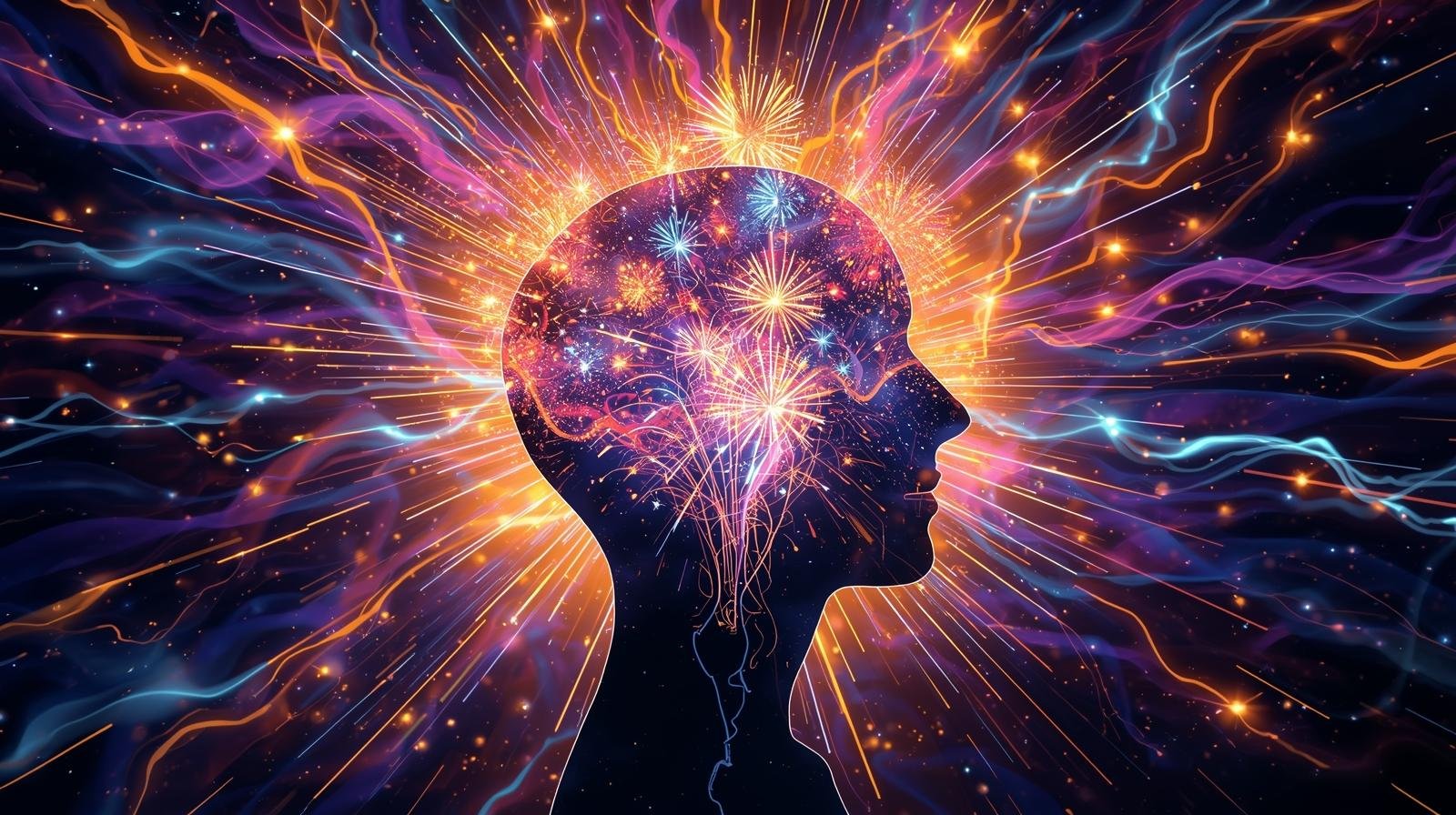
The first time you used, gambled, ate, or escaped, your brain lit up fireworks. A rush of dopamine that felt like relief, joy, and control. Pavlov’s classical conditioning helps explain this: the brain learns that certain actions bring comfort, and soon, it starts craving that feeling again.
But the fireworks never quite repeat. The brain keeps chasing that first spark, more, faster, louder and before long, the chase becomes the trap.





Even when you stop the main behaviour, the brain often shifts the craving elsewhere, from drink to sugar, from gambling to shopping, from chaos to control. The substance changes, but the search for dopamine remains.
That’s why recovery isn’t just about stopping. It’s about understanding. It’s learning new ways to self-soothe, to regulate, and to feel without needing to escape.
SMART Recovery teaches self-management, noticing the thoughts and triggers that lead to the old cycle, and finding space to pause before reacting. Therapy helps you uncover why the behaviour began. Ask yourself what it protected you from and what need it tried to meet.
When you start to heal, the noise gets quieter. The old friend, that coping mechanism that once helped, can finally be thanked and released. Recovery becomes less about chasing fireworks and more about learning to sit safely in the quiet.
If you recognise yourself here, you’re not alone. You’re not broken. You’ve simply been trying to survive in the best way you knew how. There are gentler ways forward, ways to help your brain and body feel safe again.
Check out the Recovery resources and links that may help.