Boundaries and Self Care
One of the biggest lessons people can make in therapy is realising that they matter. Not just as parents, siblings, children, carers, helpers, partners, friends, employees, but as human beings with needs of their own.
It’s strange how naturally we accept our physical needs like “I’m hungry, I should eat” yet how quickly we dismiss our emotional ones “I’m overwhelmed, but I’ll cope”. We don’t shame ourselves for being peckish, yet we shame ourselves for wanting rest, space, or time alone.
Somewhere along the way, many of us learned that caring for ourselves is selfish. And yet, when we look at it more closely, the opposite is true.
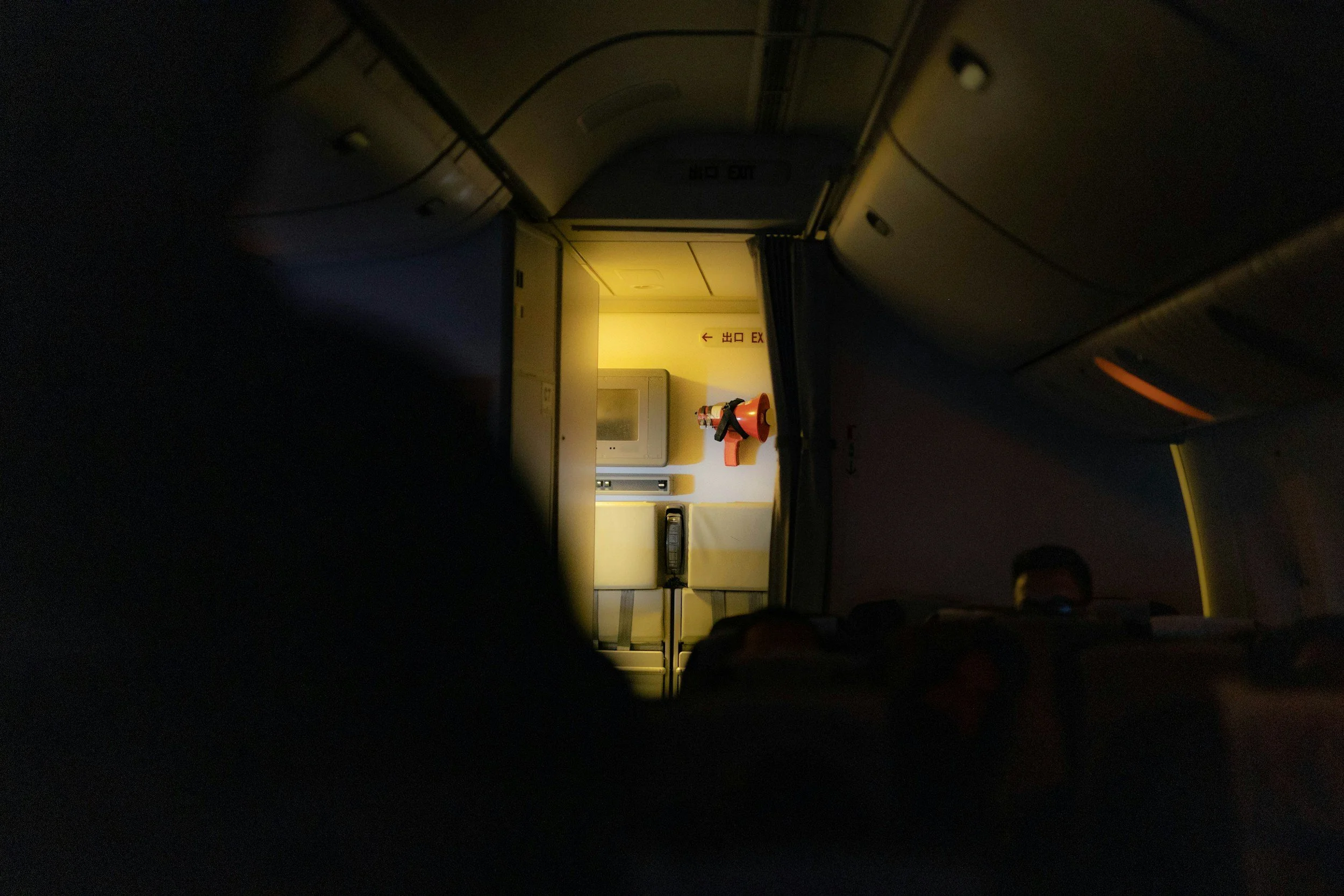
Take the familiar safety briefing on a plane:
“Put your own oxygen mask on first before helping others.”
When we hear it, it feels wrong, our instinct is to protect the people we love first. Although it is noble to put others before ourselves, who will be there to look after them if we’re not ok?
In the same way, when you are giving everything of yourself to others, without pausing to inhale, your internal resources your patience, compassion, focus, energy, resilience start to run low. Which leads perfectly into the next truth:
You can only pour out what you have inside.
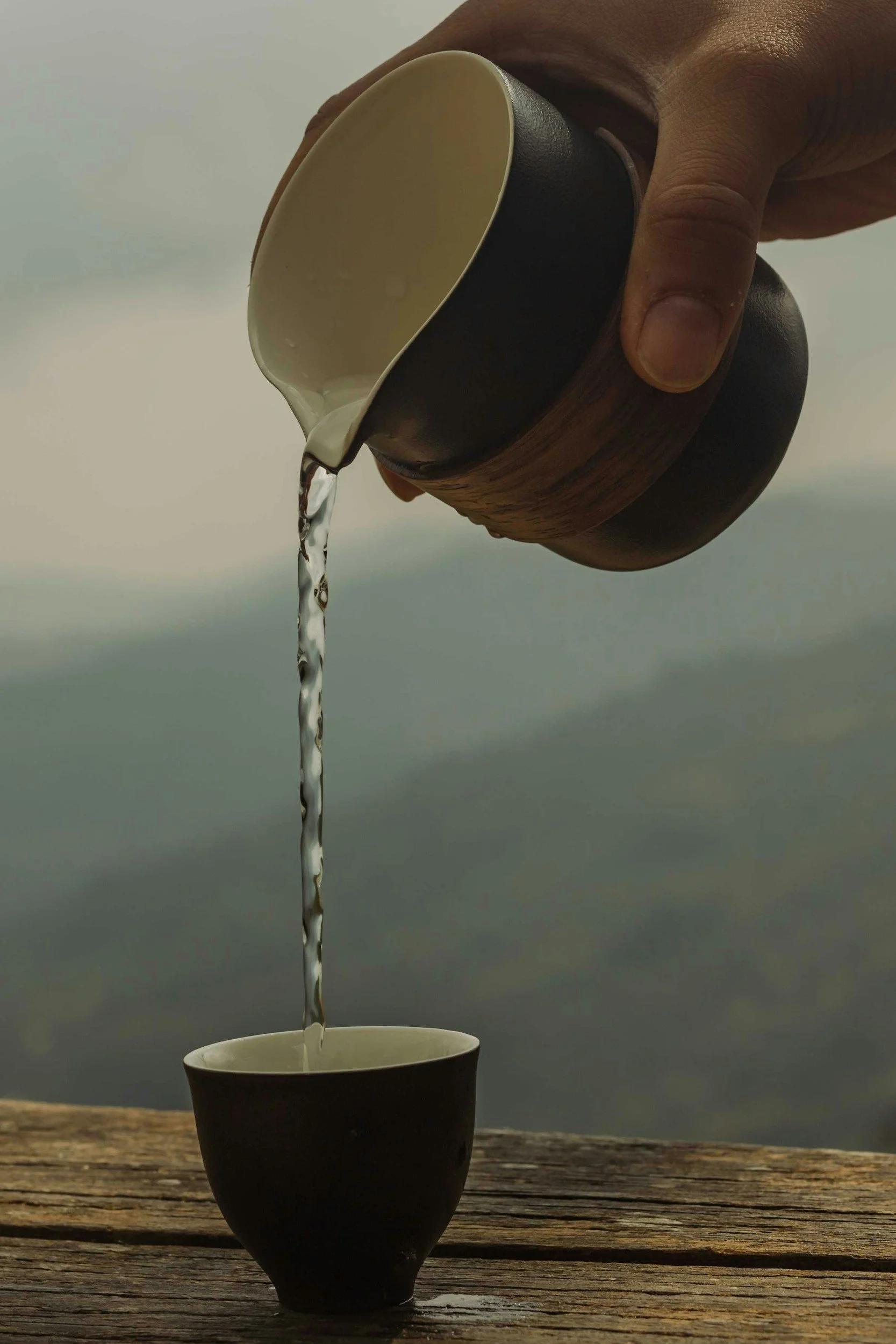
Imagine you have a jug of water that you can use to spend your energy. Every day, you pour a little of your water into the people and responsibilities around you: your family, your partner, children, your caring responsibilities, your friends, your job, the endless tasks that keep life going.
When the jug is full, you can pour generously.
But when it’s empty, or worse, cracked from overuse, you try to give what isn’t there. And that’s when burnout creeps in, resentment bubbles up, or your body starts raising the alarm (See my anxiety post for more).
We sometimes mistake boundaries for selfishness, when really they’re simply the moments we say:
“I need to refill before I can give again.”
It’s self-maintenance, not self-importance.
But for so many people, boundaries feel uncomfortable because they sound like saying “no.”
Another way of looking at it is to picture your life as a plate of food, there are things you enjoy, the responsibilities you can manage, the things that are yours to carry.
The rule is you have to have parts that you do not like but have to do. Imagine this as the worst food you can imagine eating. For me, it’s peas. I would never voluntarily eat them.
Yet in real life, when someone hands us their stress, their expectations, their emotional burdens, many of us quietly say “ok,” and suddenly our plate is full of “peas” we never wanted.
We forget that this is our plate.
We forget we’re allowed to say,
“I’m full. I’ve got enough on my plate already.”
You wouldn’t let someone scrape food you hate onto your dinner plate.
So why do we let people pile their emotional “peas” onto us?
Boundaries aren’t about keeping people out, they’re about stopping other people’s peas from taking over your plate.
They’re a way of saying, “This belongs to you. What’s on my plate belongs to me.”
When we connect these metaphors together the oxygen mask, the jug, the plate a pattern starts to appear:
You have a right to protect your capacity.
You have a right to your own limits.
You have a right to your own wellbeing.
Looking after yourself isn’t indulgent; it’s essential.
It’s a quiet, steady commitment to staying well enough to show up with clarity instead of exhaustion… with choice instead of obligation… with compassion instead of depletion.
And the truth is, when you honour your needs, something important happens:
You breathe more easily.
You pour more steadily.
You carry only what is yours.
Healthy boundaries don’t disconnect you from others; they keep you connected in a way that’s sustainable, respectful, and real.
And you deserve that.
If you’d like guidance on setting boundaries or reconnecting with your own needs, you’re welcome to reach out.
You don’t need to carry everything alone.